Negotiated Gestures
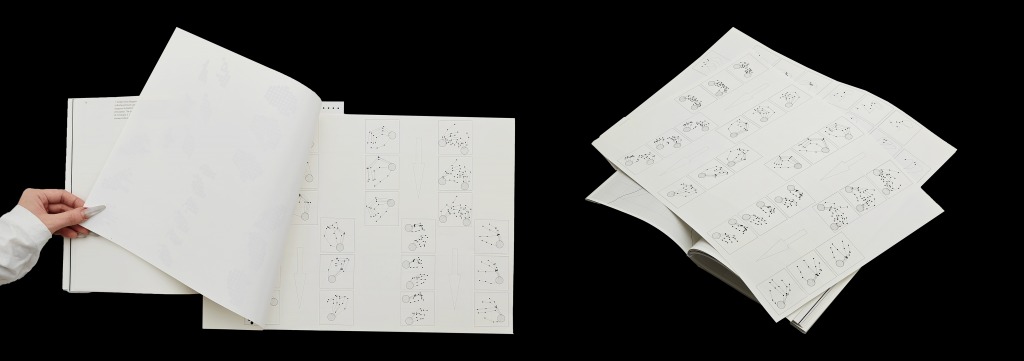
How do writing technologies reshape the way the hand moves?
Writing is often understood as a system of language. Yet before language appears, writing begins as a gesture. This project investigates how writing technologies shape, standardise, and abstract hand gestures across historical development, examining how the structural design of writing tools continually reshapes bodily writing behaviours.
From knotting cords and carving seals to pressing typewriter keys and tapping digital interfaces, each technological system introduces its own constraints, rhythms, and possibilities. These tools do not simply assist writing; they reorganise the conditions under which the hand moves, distributes force, and produces marks. As writing technologies evolve, gestures gradually shift from generative bodily movements toward increasingly standardised and abstracted operations.
Through illustration and publication as research methods, the project constructs a visual archive of writing gestures. Rather than explaining gestures through text, it isolates and analyses their spatial structure, revealing how the hand becomes trained, disciplined, and transformed through technological systems of writing.
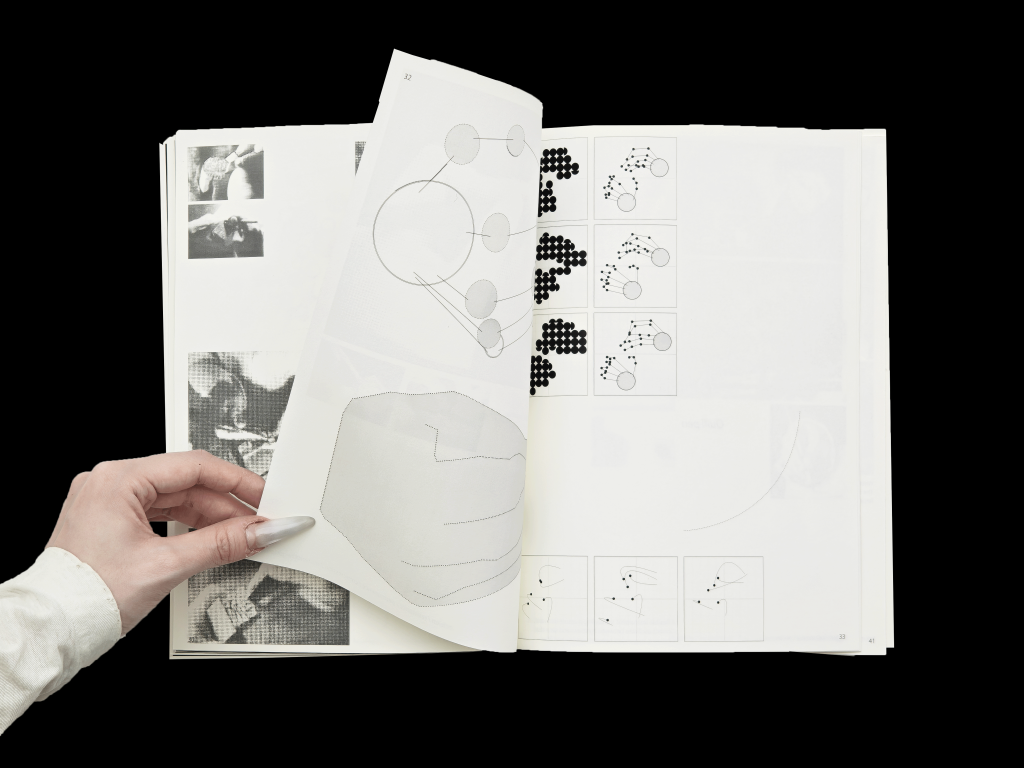
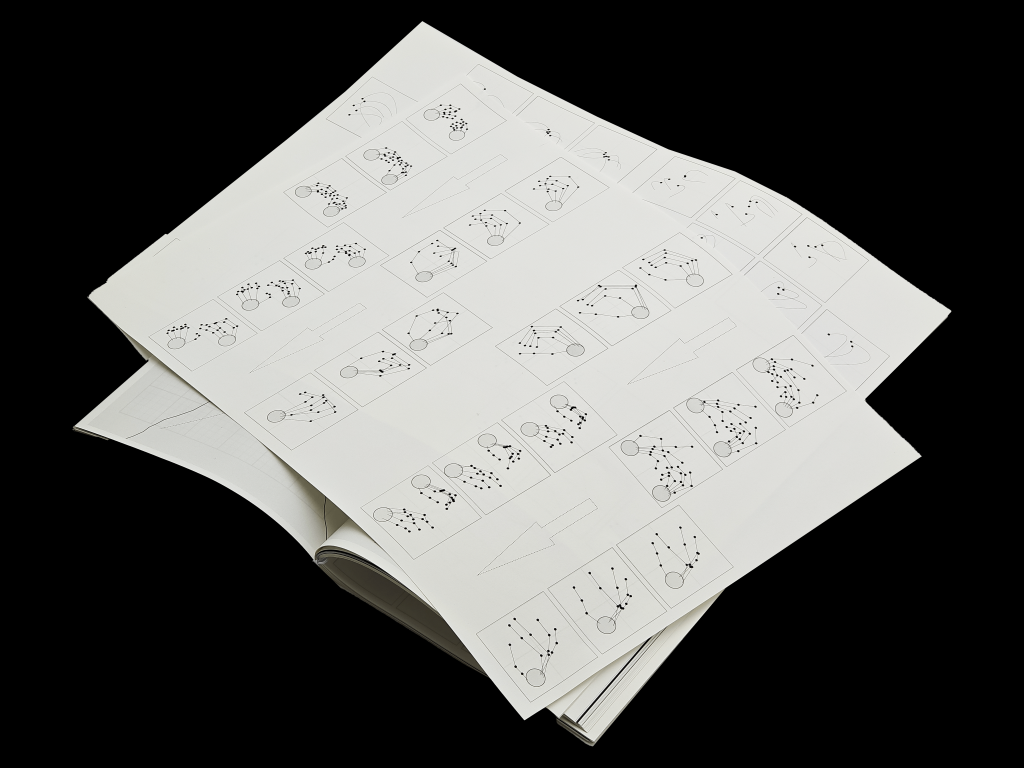
1. Gesture Guessing Game
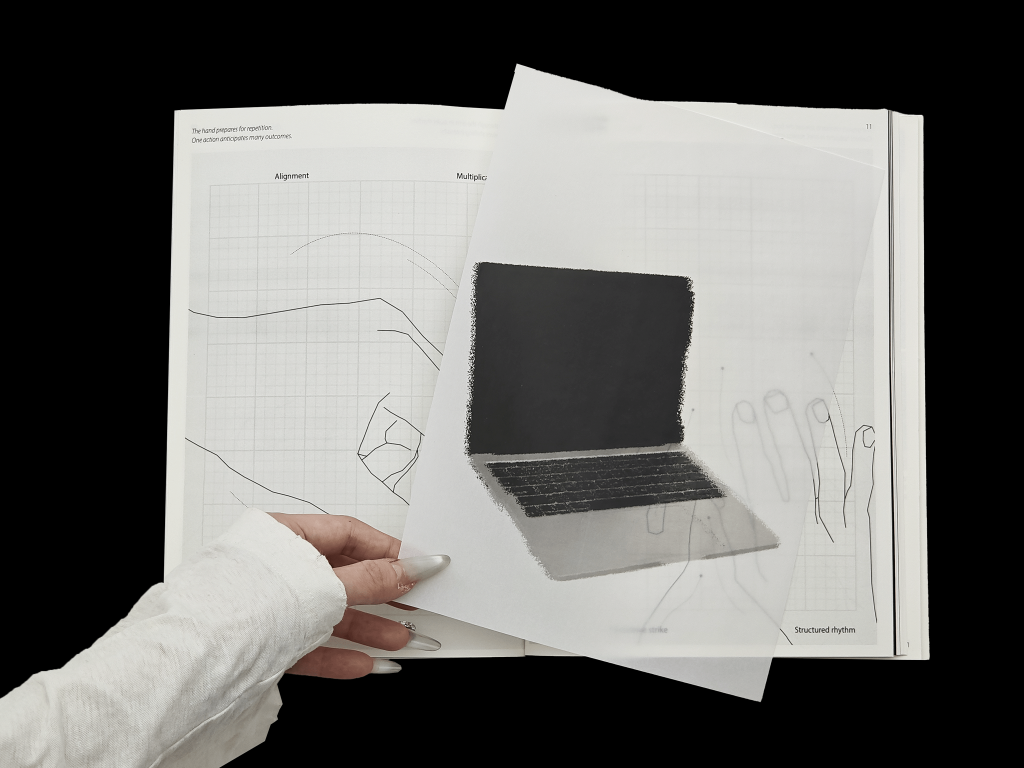
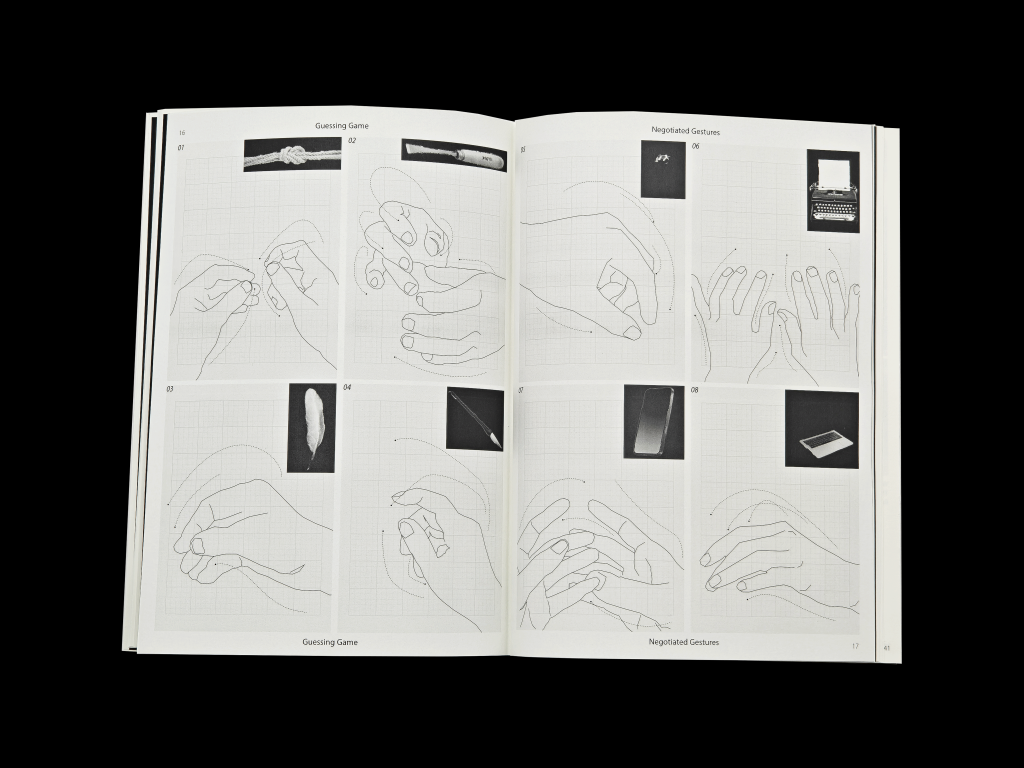
The publication opens with a visual guessing game in which viewers encounter isolated hand gestures without seeing the tools that produced them. This invites readers to speculate how tools shape bodily actions and encourages them to recognise subtle differences in gesture structures across technologies.
2. Historical Writing Systems
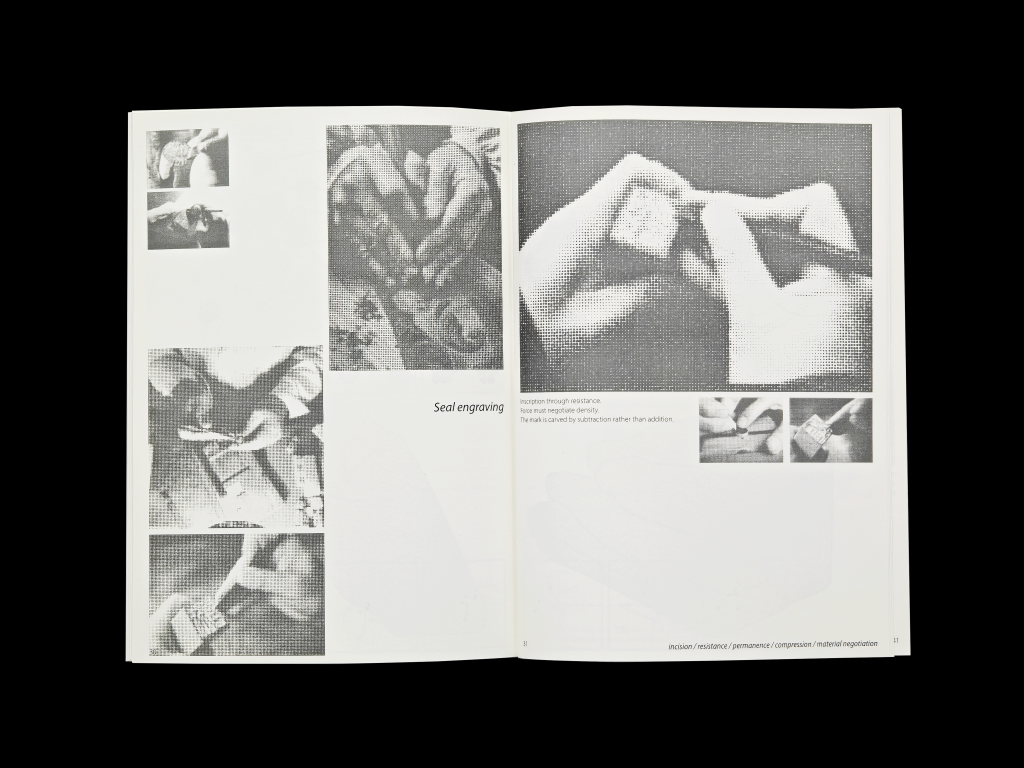
The second section maps a historical trajectory of writing technologies, organised into three stages: generative writing technologies, mechanical standardisation, and abstracted digital writing. This structure reveals how writing gestures progressively shift from direct material engagement to increasingly mediated interactions.
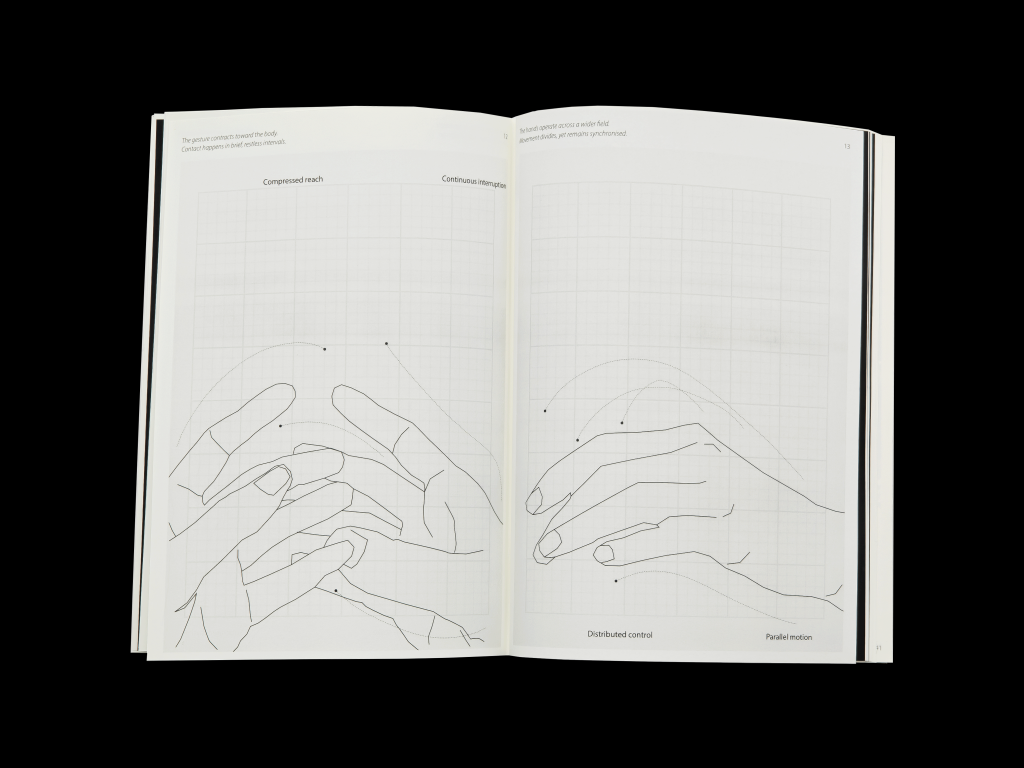
3. Gesture Analysis Framework
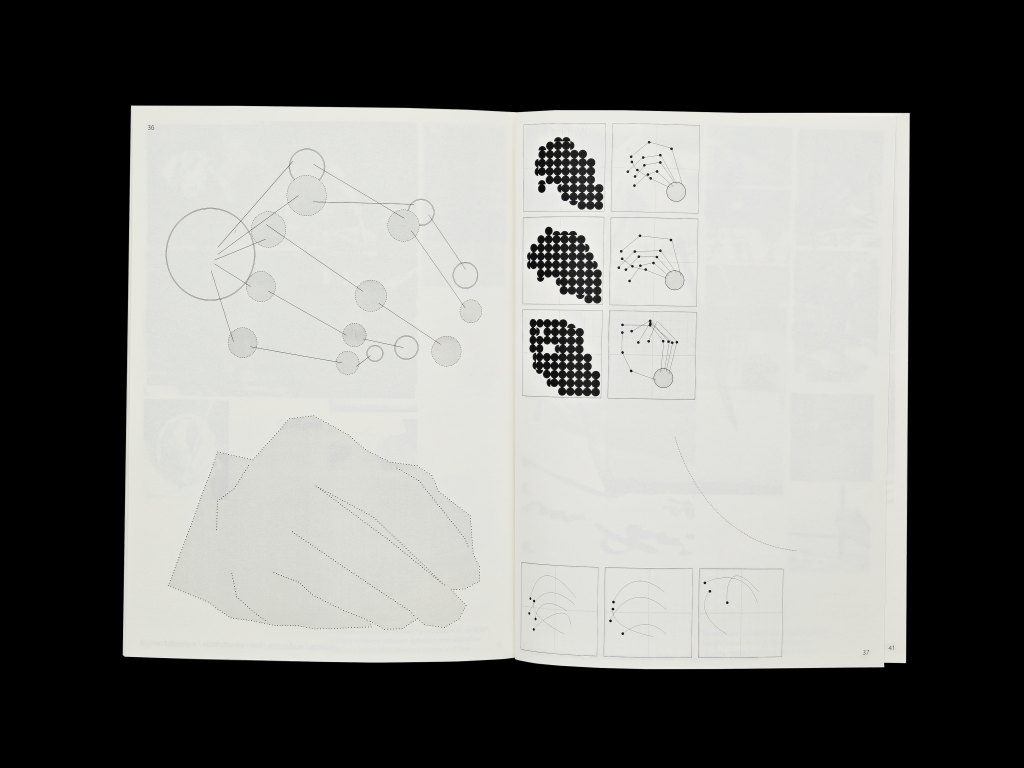
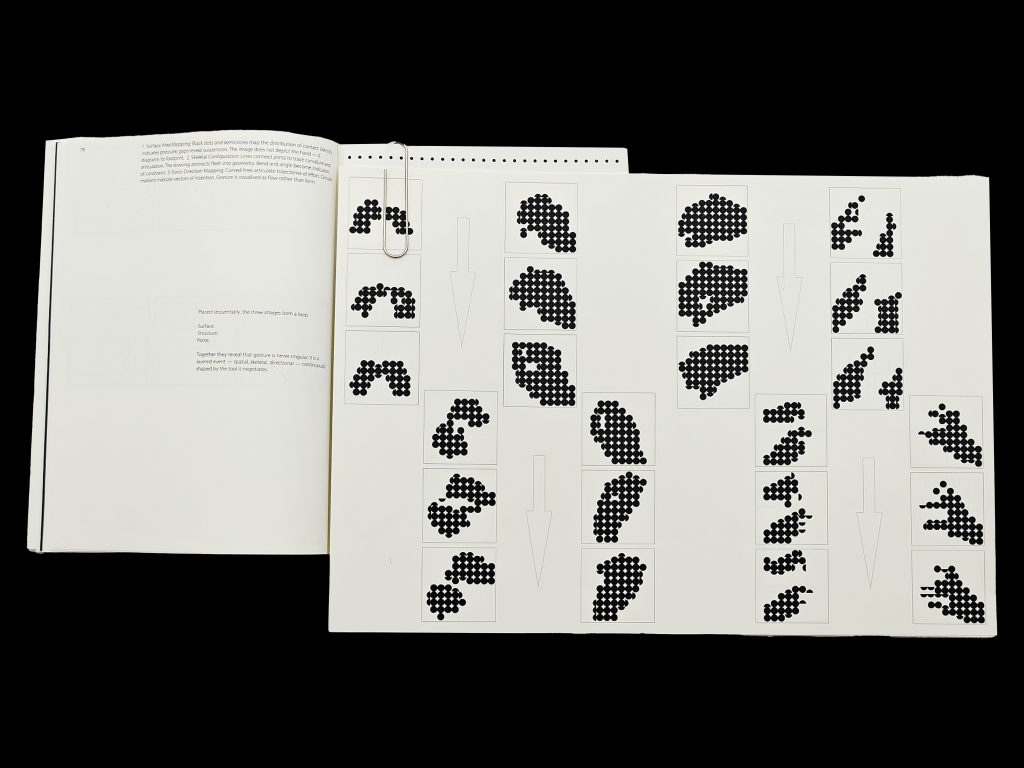
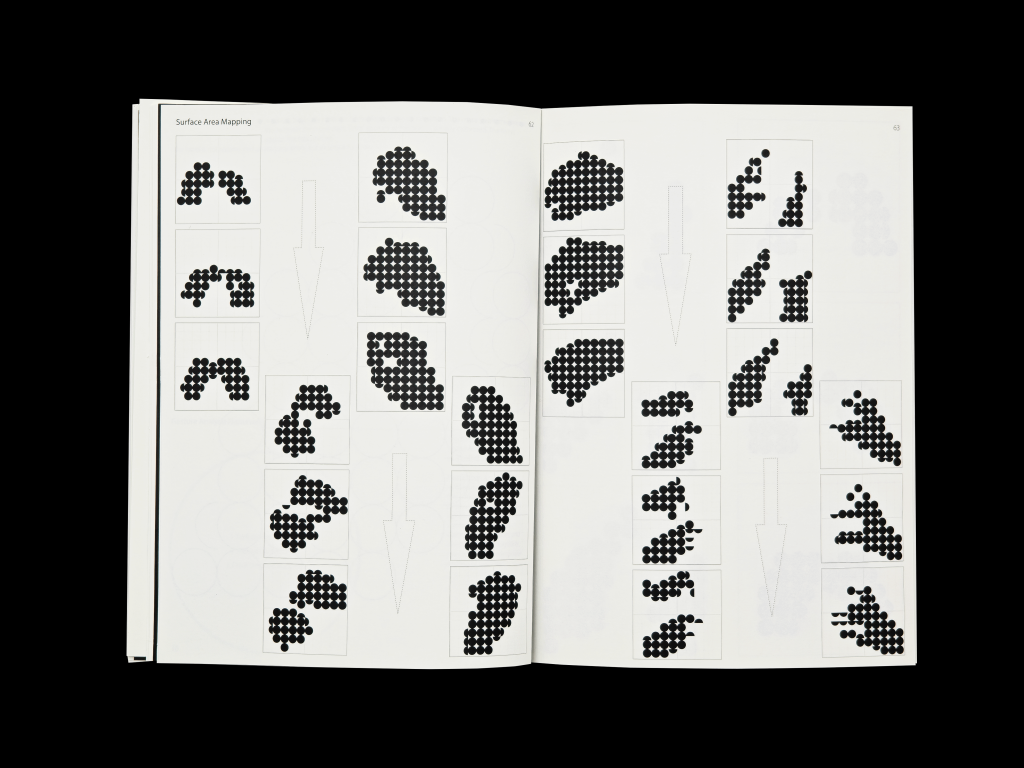
The final section proposes a gesture analysis framework that visualises hand movements through three layers: contact surface, skeletal configuration, and force direction. This analytical approach transforms bodily gestures into a structured visual system, allowing the spatial logic of writing movements to be examined.
Comments